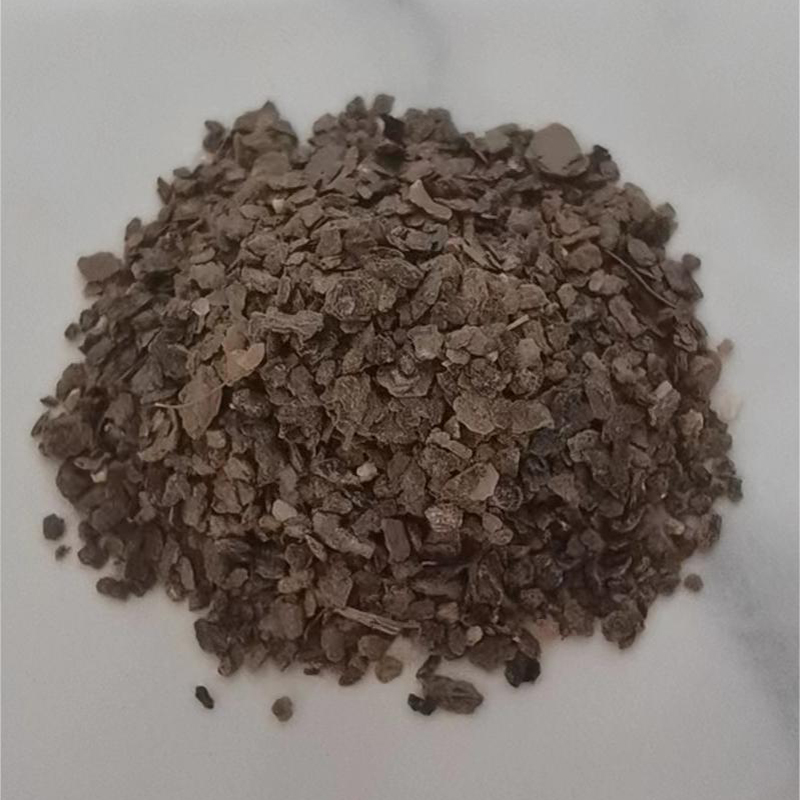
Vermiculite is a hydrous phyllosilicate mineral which undergoes significant expansion when heated. Exfoliation occurs when the mineral is heated sufficiently. The unexpanded vermiculite is generally called raw vermiculite, raw ore vermiculite and vermiculite flakes. Golden raw vermiculite is the vermiculite which can turn gold when heated.
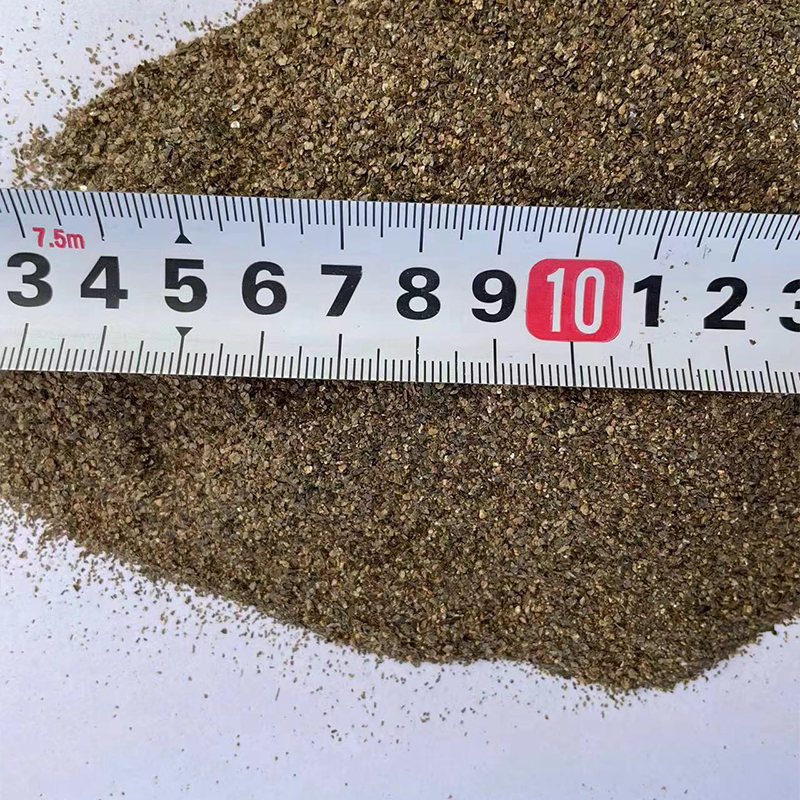
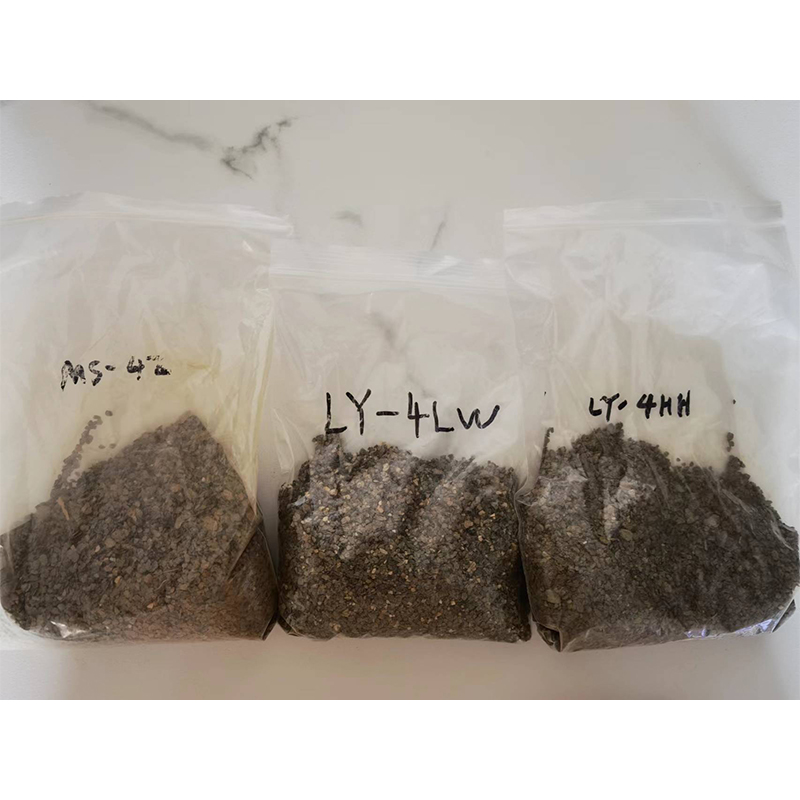
After a series of rough processing such as sand removal, impurity removal, crushing and screening, the vermiculite raw ore is in the form of flakes, which can be divided into different sizes, e.g. No. 2, No. 3, No. 4 and No. 5 pieces. Due to the large volume of expanded vermiculite and the high transportation cost, raw vermiculite is generally used to exported.
Raw vermiculite can be divided into regular stubble vermiculite flakes and oblique stubble vermiculite flakes according to the expanded shape. The grade of vermiculite in the raw vermiculite ore is only about 30%, and the content of gangue is generally above 50%, so sorting operations must be carried out to separate the gangue and impurities from the ore. According to the difference in mineral composition of vermiculite, depending on the degree of difficulty of its separation, mineral processing methods are divided into dry method and wet method. There is also a combination of dry and wet methods for sorting. The dry beneficiation method is mostly used for the separation of vermiculite ore with higher grade and coarse particle size; while the wet beneficiation method is mostly used for the separation of vermiculite ore with lower grade and finer particle size. The dry method mainly adopts multi-stage crushing and screening process or crushing-screening-wind selection process; the wet method uses crushing, selective grinding, flotation and jigging processes.
Golden raw vermiculite has been widely used in construction, metallurgy, petroleum, shipbuilding, environmental protection, heat preservation, heat insulation, insulation, energy saving and other fields.
Applications for golden raw vermiculite with different sizes:
+20 mesh: House insulation, household refrigerators, car sound absorbers, soundproofing plaster, safes and cellar lining pipes, thermal jackets for boilers, ladles for ironworks, insulating cement for refractory bricks;
20-40 mesh: automotive insulation equipment, aircraft insulation equipment, refrigerator insulation equipment, bus insulation equipment, wall panel water cooling towers, steel annealing, fire extinguishers, filters, refrigerators;
40~120 mesh: linoleum, roof board, cornice board, dielectric gate
120-270 mesh: paste wallpaper printing, outdoor advertising, paint, increase the viscosity of paint, fireproof cardboard for photographic cork board;
-270 Mesh: Blonde and Bronze Inks, Outer Supplements for Paints.